Challenges of a Digital Designer in Today’s Fashion Industry
December ‘25
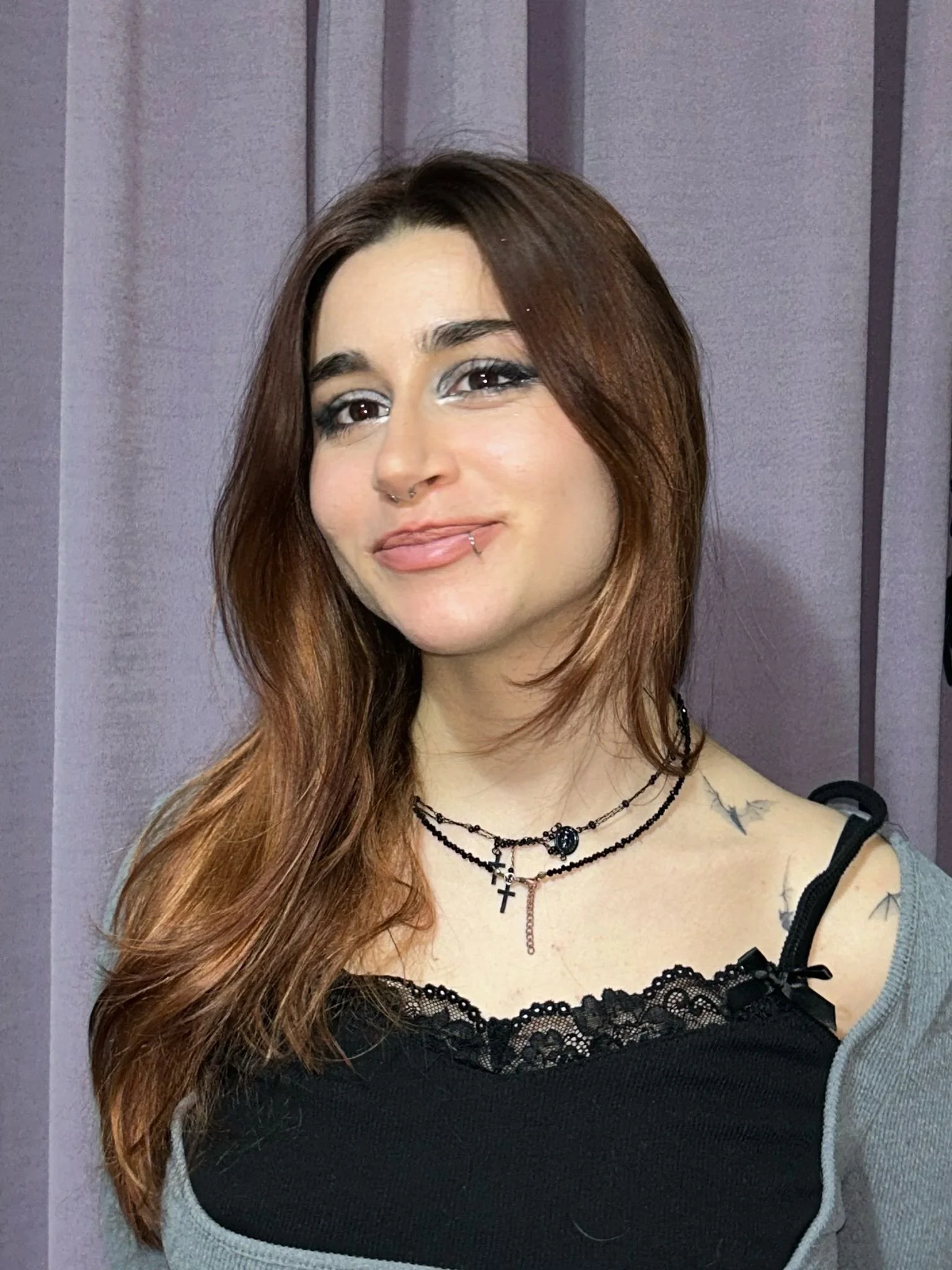
Let me introduce myself: I’m Marzia, I’m 22, and I live in Italy. I just finished my Bachelor’s degree in Fashion Design and I took a specialization on 3D fashion design course with CLO3D (clothing design software).
I’ve always been deeply sensitive to art. Since I was a child, I dreamed of drawing for brands. I wanted to work with both famous and new brands. My goal is to find my own place in the fashion world.
In the past few years, I studied and started my career. I noticed that my ideas about working in the fashion world were different from what I experienced in the fashion industry.
I watched my passion collide with a system that seemed to reward something completely different. That was the moment I realized how hard it is for a designer to stay true to themselves. In a world that moves so fast, it is tough to keep creative identity.
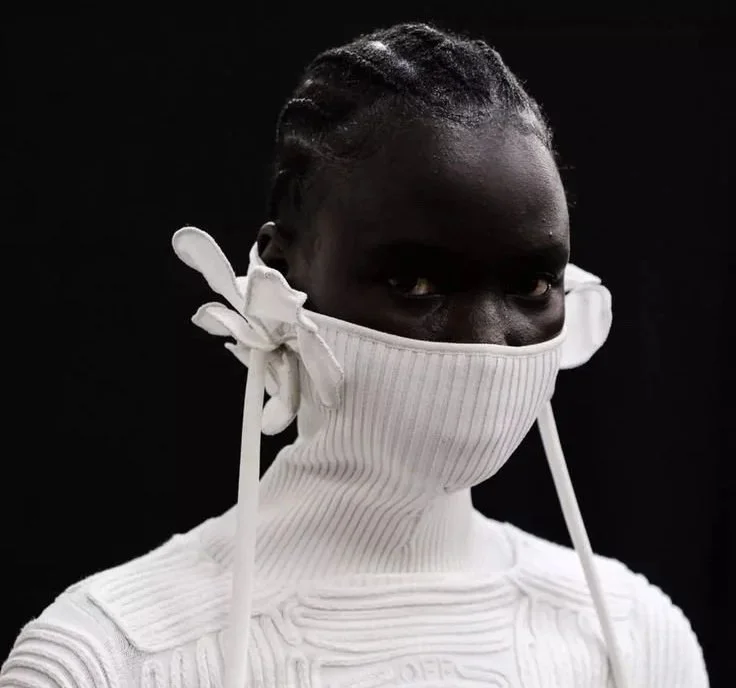
Today, pure creativity no longer feels enough. Now, to prove yourself, you must constantly reinvent yourself. This can distort the pure ideas I began with.
After a few years of working, I noticed how much digitalization has advanced and how much the system has unchanged.
3D design is becoming increasingly important in this era. It reduces waste and let brands visualize ideas. We can test and rethink these ideas before any physical production starts, which reduces the time to market.
Despite this progress, many companies still stick to old creative and production models. They are trapped in structures that find it hard to accept change. Many managers and traditional clothing manufacturers are unfamiliar with 3D tools.
I see this as a type of "generational clash." Only few people understand the need for innovation.
I’d say mayor fashion production companies worry about losing the control they have always depended on. This resistance doesn’t just slow down the evolution of processes; it also wastes opportunities. It limits designers, who find themselves unable to fully experiment or apply the new digital skills they’ve worked hard to develop.
As young digital fashion designers, I find myself right at the center of this shift. As we get ready to enter the industry, we might see that reality is different from what we imagined. This is what happened to me.
This is why I’m working on Studioforma: a project that creates a space for people like me. We value technique, creativity, and new forms of processes.
I believe we must welcome progress, learn to adapt to it, and make it a reality that feels like ours. It should truly reflect who we are.